If your home feels drafty, certain rooms never get comfortable, or your heating and cooling bills keep creeping up, you may be dealing with an energy leak. In most homes, energy loss is not one single problem. It is usually a mix of air leakage, insulation gaps, and duct losses that quietly force your HVAC system to work harder.
This guide breaks down the most reliable energy leak in home symptoms, explains what they typically mean, and shows simple checks you can do today. You will also learn which fixes usually deliver the fastest comfort improvement and which situations are worth a professional energy assessment with an Energy Advisor.
What an energy leak really is
An energy leak is not just about “heat escaping.” It is about your conditioned indoor air leaking out and unconditioned outdoor air leaking in. That exchange can happen through the building envelope, through ducts, or through both.
Air leakage
Air leakage is uncontrolled airflow through gaps and cracks around windows, doors, attic penetrations, rim joists, and utility openings. Even small gaps add up because pressure differences constantly push and pull air through your home.
Insulation gaps
Insulation is supposed to slow heat transfer. If insulation is missing, compressed, wet, or poorly installed, heat moves quickly through those weak areas, creating hot and cold spots.
Duct leakage and distribution problems
If ducts leak or are poorly balanced, heated or cooled air never reaches the rooms that need it. You can also pull dusty or damp air from attics, crawl spaces, garages, or wall cavities into your living space.
Energy bill and usage symptoms
Money is often the first clue. Bills reveal patterns that your daily comfort might not.
Sudden or steady bill increases
If your heating or cooling costs spike without a clear reason, energy loss is a common culprit. Look for changes that persist for multiple billing cycles, especially when the weather is similar to past years.
Higher usage without lifestyle changes
If your thermostat schedule, household size, and daily routines are stable but usage rises, it often points to a hidden efficiency problem. Air leakage, insulation failures, and duct losses are frequent causes.
Costs that feel “too high for the home size”
Two similar homes can have very different costs. A smaller home with a leaky attic hatch, unsealed rim joists, and duct losses can cost more to heat and cool than a larger home that is well sealed.
Comfort and temperature symptoms
Your body is an excellent sensor. Comfort issues are often the most reliable day to day indicators.
Drafts near windows, doors, and exterior walls
If you feel cold air moving near frames, thresholds, baseboards, or around outlets on exterior walls, air leakage is likely. Drafts are especially noticeable on windy days or when exhaust fans are running.
Uneven temperatures between rooms
A bedroom that is always cold in winter or a bonus room that is always hot in summer often signals a combination of envelope leakage, insulation gaps, or duct distribution issues.
Cold floors in winter
Cold floors can come from air leakage at the rim joist, uninsulated basements, crawl space issues, or slab edge heat loss. It can also indicate that warm air is rising and escaping through attic bypasses, pulling cold air in low.
Upstairs too hot in summer or too cold in winter
This is a classic symptom of stack effect plus attic heat gain or loss. Warm air rises and escapes higher in the building, creating pressure that pulls outdoor air in at lower levels.
You keep adjusting the thermostat but comfort does not improve
When the thermostat becomes a “volume knob” you constantly turn, it often means the home is losing conditioned air faster than your system can maintain comfort, or the system is not delivering air where it is needed.
HVAC runtime and performance symptoms
Your equipment behavior is another major signal. When a home leaks energy, even good equipment struggles.
The system runs constantly
Long runtimes during moderate weather can indicate air leakage, duct leakage, insulation gaps, or sometimes an equipment issue. If the home loses energy quickly, the system must run longer to maintain setpoint.
Short cycling
Short cycling means the system turns on and off too often. This can be caused by oversizing or control issues, but it can also show up when airflow is restricted or when the thermostat location does not represent the rest of the home.
Weak airflow in distant rooms
If rooms far from the furnace or air handler get weak airflow, duct leakage, poor duct design, crushed ducts, or imbalance between supply and return paths may be involved.
The air feels “not warm enough” or “not cool enough”
Air leakage does not always make supply air temperature wrong, but it can make comfort feel wrong. If conditioned air is escaping and outdoor air is entering, rooms can still feel uncomfortable even with normal supply air temperatures.
Moisture and condensation symptoms
Moisture problems are not only about indoor air quality. They often point to uncontrolled airflow.
Condensation on windows
Some condensation can occur, but new or worsening condensation can indicate humidity imbalance and cold surface temperatures from poor insulation or air leakage around frames.
Musty smells in basements, closets, or bedrooms
Musty odor can signal that damp air is entering from basements, crawl spaces, attics, or wall cavities. Air leakage can transport moisture into cooler spaces where it condenses.
Frost or dampness in the attic
Attic frost, damp roof sheathing, or mold on roof framing can occur when warm, moist indoor air leaks into the attic through ceiling penetrations. This is one of the most important areas to address because it can lead to long term damage.
Peeling paint or bubbling drywall near exterior walls
These symptoms can signal moisture movement and temperature differences in wall cavities. Air leakage and missing insulation can create cold zones that increase condensation risk.
Dust, odors, and indoor air quality symptoms
Air leaks do not only move heat. They move particles, smells, and sometimes garage or attic air.
Dust builds up quickly
If you clean and dust returns fast, air is often being pulled through unconditioned spaces or leaky ducts. That can bring in fine particles from attics, basements, or wall cavities.
Outdoor smells enter easily
Traffic smell, wildfire smoke, or neighborhood cooking odors showing up indoors can indicate infiltration. In attached housing, pressure differences can also pull air from neighboring units.
Allergy symptoms feel worse indoors
Poor filtration and uncontrolled airflow can increase indoor particle levels. If symptoms worsen when the HVAC runs, duct leakage or return side issues may be contributing.
Combustion odors or soot marks
If you notice combustion smell, soot, or backdrafting behavior near a fireplace or fuel burning appliance, treat it as a safety issue. Stop using the appliance and call a qualified professional.
Sound and pressure symptoms
A leaky home can behave like a pressure machine, especially when fans and HVAC equipment operate.
Whistling around doors or windows
Whistling often indicates a focused air path. Small gaps can create audible airflow on windy days.
Interior doors swing or latch differently
Pressure imbalance can make doors move, stick, or slam, especially when a bathroom fan, range hood, or dryer is running.
Fireplace draft changes when fans run
Exhaust fans can depressurize the home and change how chimneys and vents draft. This is another reason professional assessment can be valuable.
Where energy leaks usually hide
Symptoms are the clues. The next step is knowing the usual hiding places.
Attic bypasses and ceiling penetrations
Common leakage points include attic hatches, recessed lights, bathroom fan housings, plumbing stacks, and gaps around chimneys. These leaks are high impact because warm air rises and pushes out through the top of the home.
Rim joist and sill plate
The rim joist area in basements or crawl spaces is a frequent leakage zone. It is often under insulated and difficult to seal without the right approach.
Windows, doors, and thresholds
Even newer windows can leak around the frame if installation and sealing were not done well. Door sweeps and weatherstripping wear out over time.
Utility penetrations
Plumbing, electrical, and cable lines often pass through exterior walls. Small openings around these penetrations add up.
Duct connections and returns
Duct boots, connections at the air handler, and return paths can leak a surprising amount. In some homes, return leaks pull air from garages, attics, or crawl spaces.
Garage to house connection
Attached garages can be a major source of infiltration. The door between garage and house, shared walls, and ceiling penetrations can leak air and odors.
Fast DIY checks that confirm energy leaks
You do not need specialized equipment to gather useful evidence. These simple checks can confirm suspicion and help you describe issues clearly if you call a pro.
Draft test with tissue or incense
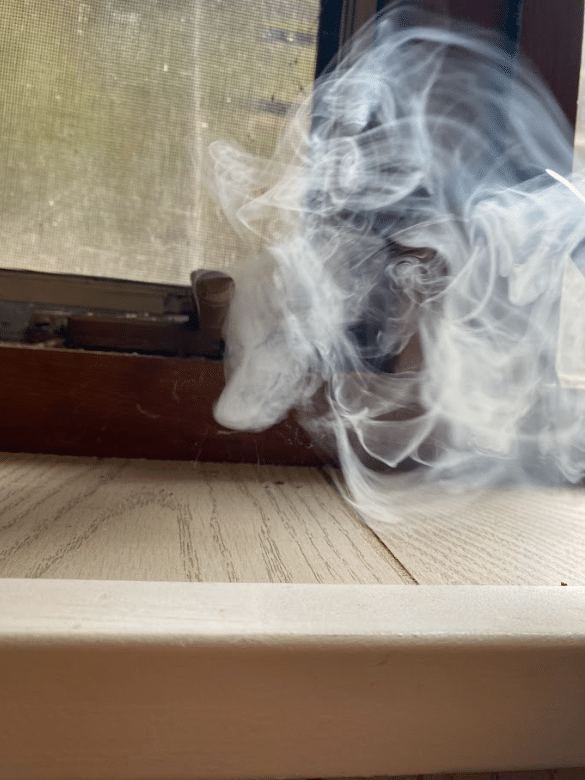
On a windy day, hold a tissue near suspected gaps. If it moves, airflow is present. Incense smoke can also reveal air movement, but keep fire safety in mind and avoid using it near flammable materials.
Check for light leaks into the attic
At night, turn on lights in the top floor and look in the attic. If you see light around penetrations or the attic hatch, air can usually move there too.
Feel around baseboards and outlets on exterior walls
Use the back of your hand to sense cooler airflow. Outlets on exterior walls are common leakage points.
Compare room temperatures
Use a basic thermometer and compare temperatures across rooms. A consistent pattern can suggest distribution or insulation issues.
Rule out simple airflow restrictions
Before blaming leaks, confirm that filters are clean, registers are open, and furniture is not blocking airflow. These are quick fixes that can mimic leak symptoms.
How to prioritize fixes by impact
Not every improvement has the same payoff. A good plan targets the biggest leakage paths first.
Seal first, then insulate
Air sealing improves comfort quickly and protects insulation performance. Insulation works best when air movement is controlled.
Focus on the top of the home
Attic air sealing is often one of the highest impact steps because it reduces stack effect driven leakage.
Address rim joists and basements
Sealing and insulating rim joists can reduce cold floors and drafts, and it can improve moisture control.
Improve window and door sealing
Weatherstripping, door sweeps, and careful caulking can reduce drafts and improve comfort. It is a cost effective first step when done correctly.
Seal ducts and correct imbalances
Duct sealing and airflow balancing can dramatically improve room to room comfort. This is especially true when ducts run through attics or crawl spaces.
Tune the HVAC system
Once major leaks are reduced, equipment performance often improves. Then it makes sense to verify thermostat settings, airflow, and maintenance items.
When a professional energy assessment is worth it
DIY checks are helpful, but pros can measure and confirm issues that are hard to see.
Blower door testing
A blower door depressurizes the home and makes leaks easier to detect. It also provides a quantified leakage measurement that can guide priorities.
Infrared thermal imaging
Thermal imaging can reveal insulation gaps and hidden leakage pathways. It works best when there is a solid temperature difference between indoors and outdoors.
Duct leakage testing
Duct testing identifies how much air is lost before it reaches rooms. This is especially valuable when comfort complaints are room specific.
A clear action plan
A quality assessment should give you a prioritized list, not just a list of problems. The goal is measurable comfort and energy savings.
Problems that look like energy leaks but are not
Some issues mimic leakage symptoms. A quick reality check can save time.
Dirty filters or blocked registers
Restricted airflow can create uneven temperatures and long runtimes. Confirm these basics first.
Thermostat placement
If the thermostat is in a hallway, near sunlight, or near a draft, it may not reflect real comfort conditions.
Equipment issues
Low refrigerant, combustion tuning problems, and aging equipment can cause poor performance even in a well sealed home.
Insulation only problems
Some homes have minimal air leakage but poor insulation. In that case, comfort issues can still exist, but the fix strategy changes.
Ventilation and humidity problems
High humidity and condensation can come from ventilation imbalance, not just leaks. A professional assessment can distinguish the cause.
Symptom to cause map
Cold upstairs in winter often points to attic bypass leakage and stack effect.
Hot upstairs in summer often points to attic heat gain plus duct losses.
High bills with long runtime often point to envelope leakage, duct leakage, insulation gaps, or equipment efficiency decline.
Condensation plus musty smell often points to moisture carrying airflow into cold cavities or poorly ventilated spaces.
Drafts near outlets and baseboards often point to leakage at wall penetrations and rim areas.
Why Monolith Housing is the right solution
Energy leaks are frustrating because the symptoms are obvious but the causes are often hidden. Monolith Housing is an Energy Advisor company in Vancouver that helps homeowners and businesses use less energy by identifying where a building is losing energy and recommending practical upgrades.
What you get with Monolith Housing
A clear diagnosis backed by testing. We can use tools like blower door testing and thermal imaging to pinpoint air leaks and insulation gaps, then explain what they mean in plain language.
Actionable recommendations. You receive a prioritized plan that focuses on comfort first and then long-term savings, so you are not guessing which upgrade matters most.
Support for rebates and better decisions. Our energy audit and EnerGuide evaluation services can help you align upgrades with available programs and incentives in British Columbia.
If you are noticing energy leak symptoms, book a consultation with Monolith Housing and get a clear plan to reduce energy loss, improve comfort, and lower heating and cooling costs.
- Phone: (604) 332 1918
- Email: info@monohousing.com
FAQs
What are the most common energy leak symptoms in a home?
The most common symptoms include drafts, uneven room temperatures, cold floors, high heating or cooling bills, condensation on windows, musty odors, and HVAC systems that run too long.
Can an energy leak make my furnace or heat pump run all day?
Yes. If your home is losing conditioned air quickly through leaks or duct losses, the system needs longer runtime to maintain the thermostat setpoint.
How do I check for air leaks without special tools?
Use a tissue draft test near frames and outlets, look for light leaks into the attic at night, and compare room temperatures with a basic thermometer.
Are windows always the main cause of energy loss?
Not always. Attic bypass leaks and rim joist leakage often create larger losses than windows, especially in colder climates.
Is condensation on windows a sign of an energy leak?
It can be. Condensation can occur when indoor humidity meets cold surfaces, which can happen more often when insulation is weak or when cold air infiltrates around frames.
Should I seal air leaks before adding insulation?
In most cases, yes. Air sealing improves comfort quickly and prevents air movement from reducing insulation performance.
When should I consider an energy audit?
If you have persistent comfort issues, high bills, moisture problems, or conflicting advice about what to fix first, an audit with blower door testing and thermal imaging can provide clarity.
Can duct leakage cause dust and allergies?
Yes. Return side duct leaks can pull dusty air from attics, basements, or wall cavities into the system and distribute it through the home.
What are the highest impact places to seal in a typical home?
Attic penetrations, attic hatches, rim joists, utility penetrations, and duct connections are frequent high impact areas.
Will fixing energy leaks always lower bills?
In many cases it helps, but results depend on how severe the leaks are, how your home is insulated, and how your HVAC system is set up and maintained.