MONOLITH HOUSING SOLUTION | Rebates & Grants | Dual Fuel Heating System Rebates in BC (2026 Guide)
Dual Fuel Heating System Rebates in British Columbia (2026 Guide)
BEST REBATE & UPGRADE OPTIONS
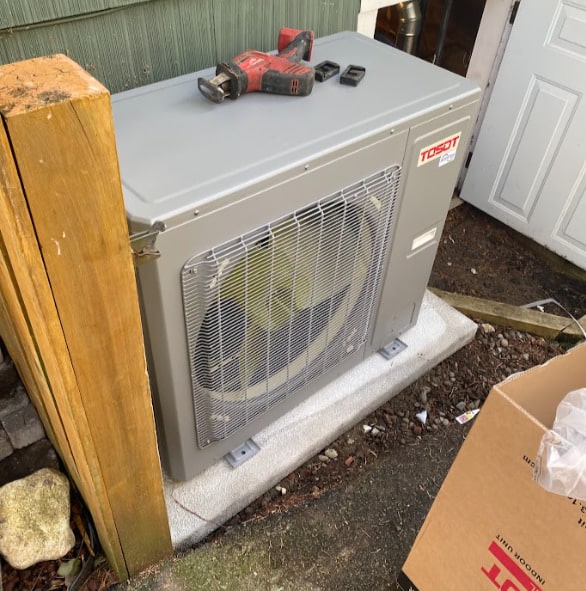
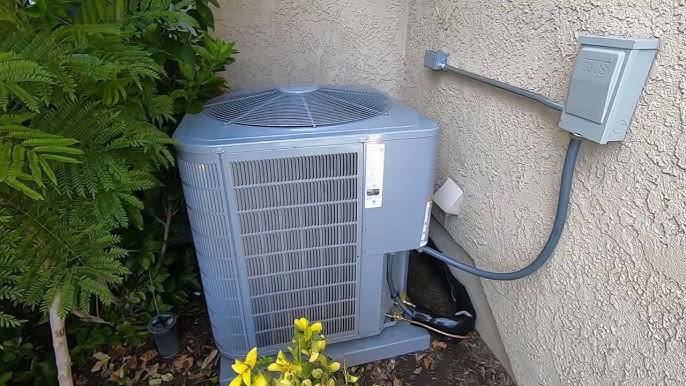
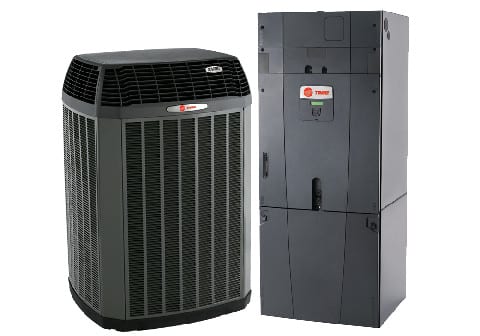
A dual-fuel heating system combines an electric air-source heat pump with a natural-gas or propane furnace. The heat pump provides most of the home’s heating during milder weather, while the furnace takes over below a controlled outdoor temperature.
British Columbia no longer offers one general residential dual-fuel rebate across the entire province. Current incentives are limited to specific northern, income-qualified, Pacific Northern Gas, Indigenous, new-construction and commercial programs.
For information about other energy-efficiency incentives, visit our main Rebates & Grants page.
Call us today or book a free consultation on your best rebate and upgrade options.


What Is a Dual-Fuel Heating System?
MONOLITH HOUSING
A dual-fuel system, sometimes called a hybrid heating system, integrates two heating technologies:
An electric air-source heat pump
A natural-gas or propane furnace
The heat pump operates as the primary heating source when outdoor temperatures are above a programmed switchover point. When the outdoor temperature falls below that point, the control system transfers the heating load to the furnace.
Many systems also provide cooling during summer because the heat-pump component can reverse its refrigeration cycle.
A rebate-eligible dual-fuel system is not simply a house containing both a furnace and a separate heat pump. The heat pump, furnace, thermostat and controls generally need to function as an integrated system and may need to appear as an approved matched equipment combination.

Is the General FortisBC Dual-Fuel Rebate Still Available?
MONOLITH HOUSING
No. The former general FortisBC residential Dual Fuel System Rebate is not currently available to new applicants.
FortisBC removed its income-qualified dual-fuel rebate from the market in May 2025. The remaining residential dual-fuel offer was removed in December 2025 following participation levels that exceeded the program’s forecasts.
As a result, homeowners in the Lower Mainland, Vancouver Island and other areas should not assume that they can receive a general FortisBC rebate simply by adding a heat pump to an existing gas furnace.
Some targeted dual-fuel programs remain available in 2026, but eligibility depends heavily on location, fuel provider, household income, building type or project category.
Dual-Fuel Rebate Comparison
Compare the main active dual-fuel incentives in British Columbia. Eligibility depends on location, household income, building type, existing heating fuel, equipment specifications and program funding.
| Program | Potential Incentive | Main Eligibility Limitation |
|---|---|---|
| CleanBC Northern Dual-Fuel Rebate Official CleanBC requirements ↗ | $4,500 | The home must be north of and including the District of 100 Mile House, connected to BC Hydro and replacing an eligible fossil-fuel primary heating system. |
| CleanBC Energy Savings Program — Tanked Propane Official CleanBC requirements ↗ | Up to $12,000 | Available to qualifying income-based households using tanked propane as their primary space-heating fuel. |
| CleanBC Northern Energy Savings Top-Up Official CleanBC requirements ↗ | $3,000 | Limited to eligible Income Level 1 or 2 households north of and including the District of 100 Mile House and connected to BC Hydro. |
| Energy Conservation Assistance Program Official FortisBC program page ↗ | No-cost eligible upgrades | Household income, home type, primary heating fuel and utility service determine whether a dual-fuel system is offered. |
| FortisBC New Home Program Official FortisBC program page ↗ | Up to $20,000 | Applies to qualifying high-performance new homes using approved energy modelling, commissioning and an integrated mechanical system. |
| Indigenous Community Program Official FortisBC program page ↗ | Up to $15,000 | Available through participating Indigenous communities and administered through the community housing department. |
| FortisBC Commercial Dual-Fuel RTU Rebate Official FortisBC program page ↗ | Up to $225,000 | Limited to eligible FortisBC commercial or industrial projects installing qualifying dual-fuel rooftop units. |
CleanBC Northern Dual-Fuel Rebate
$4,500Northern homes connected to BC Hydro and replacing an eligible fossil-fuel primary heating system.
Official CleanBC requirements ↗CleanBC Energy Savings Program — Tanked Propane
Up to $12,000Income-qualified homes using tanked propane as their primary space-heating fuel.
Official CleanBC requirements ↗CleanBC Northern Energy Savings Top-Up
$3,000Eligible Income Level 1 or 2 households in northern BC that are connected to BC Hydro.
Official CleanBC requirements ↗Energy Conservation Assistance Program
No-cost eligible upgradesEligibility depends on income, home type, utility service and the existing primary heating system.
Official FortisBC program page ↗FortisBC New Home Program
Up to $20,000Qualifying high-performance new homes using approved energy modelling, commissioning and integrated mechanical systems.
Official FortisBC program page ↗Indigenous Community Program
Up to $15,000Limited to participating Indigenous communities and administered through the applicable community housing department.
Official FortisBC program page ↗FortisBC Commercial Dual-Fuel RTU Rebate
Up to $225,000Eligible FortisBC commercial and industrial projects installing qualifying dual-fuel rooftop units.
Official FortisBC program page ↗Maximum amounts do not guarantee eligibility or payment. Incentives may be limited to eligible project costs and remain subject to program funding, property location, household income, contractor requirements, equipment specifications and application deadlines.
Available Dual-Fuel Rebates and Incentives in BC
Available Rebates
FortisBC New Home Program
Dual-fuel systems remain eligible under the FortisBC New Home Program for qualifying new construction.
The program currently provides incentives of up to $20,000, depending on the home’s performance level, mechanical configuration and applicable program requirements.
A qualifying dual-fuel mechanical system may include:
A furnace integrated with an electric heat pump and electric water heating
A natural-gas combination space-and-water-heating system with a hydronic air handler and integrated heat pump
An integrated system must generally:
Operate through a single control system
Connect to a single heat-distribution system
Be designed and rated as an integrated mechanical system
Meet the required switchover-temperature settings
Be properly commissioned
Be included in the home’s energy model
The project must use a program-qualified Energy Advisor, who completes the required energy modelling and submits the application.
For eligible dual-fuel homes, the application must generally be submitted by the earlier of six months after the building completion date or December 31, 2027.
FortisBC Indigenous Community Rebates
FortisBC also provides targeted energy-efficiency support for eligible homes in participating Indigenous communities.
Current incentives may include:
Up to $15,000 per home for an eligible dual-fuel heating system
A $3,000 northern top-up for qualifying homes north of and including the District of 100 Mile House
An additional rebate for an eligible connected thermostat
Funding for electrical-service upgrades, energy assessments and project-management support
For the dual-fuel incentive, the system must generally replace a furnace that is at least 10 years old and used as the home’s primary heating system.
This program is administered in coordination with the participating community’s housing department and is not an ordinary individual homeowner rebate application.
Commercial Dual-Fuel Rooftop Unit Rebates
FortisBC offers substantial incentives for qualifying dual-fuel rooftop units installed in commercial and industrial buildings.
For eligible projects with invoices dated on or after July 4, 2025:
| Dual-fuel rooftop unit | Maximum incentive |
|---|---|
| Standard-efficiency dual-fuel RTU | 30% of project cost, up to $150,000 per premises |
| Condensing-efficiency dual-fuel RTU | 30% of project cost, up to $225,000 per premises |
The applicant must generally be a qualifying FortisBC gas customer and own, develop or hold a long-term lease on an eligible commercial or industrial property.
For an existing building, the new dual-fuel rooftop unit must replace a gas system that serves as the building’s primary space-heating source.
The unit must be installed by a contractor licensed with Technical Safety BC and use a lockout or switchover temperature appropriate for the applicable climate zone.

Pacific Northern Gas Customers
Current maximum rebates for eligible PNG natural-gas or propane participants are:
| Energy Savings Program level | Maximum dual-fuel rebate |
|---|---|
| Income Level 1 | $8,500 |
| Income Level 2 | $1,500 |
| Income Level 3 | $1,500 |
Tanked Propane Customers
Current maximum rebates for eligible tanked-propane participants are:
| Energy Savings Program level | Maximum dual-fuel rebate |
|---|---|
| Income Level 1 | $12,000 |
| Income Level 2 | $5,000 |
| Income Level 3 | $3,000 |
Eligible Income Level 1 and Level 2 homes north of and including the District of 100 Mile House may also receive a $3,000 northern top-up for an approved dual-fuel ducted heat pump.
The rebate can cover up to 100% of eligible invoiced upgrade costs, but it cannot exceed the program maximum or the eligible cost paid for the project.
Energy Savings Program Application Requirements
Applicants must pre-register and confirm their eligibility before installation.
Once approved, the participant receives an eligibility code. The work must then be purchased, supplied and installed by a contractor registered and approved for the Energy Savings Program.
Additional requirements generally include:
The existing system must qualify as the home’s primary heating system.
The heat pump must distribute heat throughout the conditioned area previously served by the primary furnace.
The furnace and heat pump must operate as an integrated system.
The exact heat-pump and furnace combination must have an AHRI reference number.
A program-approved CSA F280 heat-load calculation is mandatory.
Rule-of-thumb equipment sizing is not accepted.
The thermostat or equipment controller must use the required regional switchover setting.
The installed system must meet all applicable municipal and Technical Safety BC requirements.
The contractor must deduct the approved rebate from the participant’s invoice.
The contractor must submit the required documents within the program deadline.
The Energy Savings Program permits only one rebate payment for a primary heating-system upgrade across the listed provincial and utility programs.
Pacific Northern Gas Dual-Fuel Top-Up
Pacific Northern Gas offers a separate top-up for qualifying residential customers who install an eligible dual-fuel ducted heat pump.
Current top-up amounts include:
| Project configuration | PNG top-up |
|---|---|
| Integrating a new heat pump with an eligible existing furnace | Up to $2,500 |
| Installing a new high-efficiency furnace with a CleanBC rebate of $9,000 or more | Up to $3,500 |
| Installing a new high-efficiency furnace with a CleanBC rebate below $9,000 | Up to $5,000 |
Some PNG customers who do not receive a CleanBC rebate may still qualify for a PNG top-up and should confirm eligibility directly with a PNG Smart Energy Solutions advisor.
The heat pump and furnace must form an approved matched system with a corresponding AHRI number. The program remains subject to funding availability and its current terms.
Energy Conservation Assistance Program
Income-qualified households may be considered for no-cost energy-efficiency upgrades through the Energy Conservation Assistance Program.
Depending on the utility account, existing heating system, housing type and findings of the home-energy evaluation, potential upgrades may include:
Dual-fuel heating systems
Electric air-source heat pumps
Insulation
Draftproofing
Ventilation improvements
Connected thermostats
Carbon-monoxide detectors
This is not a conventional cash rebate with one fixed advertised amount. The program assesses the home and determines which direct-install measures are suitable.
Dual-fuel upgrades are generally limited to applicable ground-oriented housing types, including single-family houses, townhouses, row homes and certain duplex, triplex or fourplex properties.
Homeowners and renters may apply, but they must meet utility, income, residence and property requirements.
Pacific Northern Gas Commercial and Non-Profit Programs
Pacific Northern Gas also maintains targeted dual-fuel programs for qualifying organizations.
Available incentives currently include:
Up to $9,000 for eligible commercial dual-fuel space-heating projects
Up to $15,000 for qualifying non-profit or public-housing projects
These systems combine an electric air-source heat pump with a natural-gas or propane furnace or boiler.
Commercial projects using equipment closer to residential capacity may receive a lower residential-scale incentive. Program availability, deadlines and technical requirements should be confirmed directly with PNG before equipment is ordered.

CleanBC Northern Dual-Fuel Heat Pump Rebate
The Home Renovation Rebate Program currently provides $4,500 for an eligible northern dual-fuel ducted heat pump.
This is a geographically restricted incentive. The home must be located north of and including the District of 100 Mile House and connected to BC Hydro electricity service.
The home must also use an eligible fossil-fuel primary heating system, such as qualifying natural gas or propane heating.
The new system must generally:
Use an eligible dual-fuel ducted heat-pump configuration
Be sized to function as the home’s primary heating system above the switchover point
Serve the home’s main conditioned living spaces
Meet the program’s minimum efficiency requirements
Have a minimum rated capacity of 12,000 BTU
Use an approved AHRI-certified matched combination
Appear on the applicable qualifying product list
Be installed by an eligible Home Performance Contractor Network contractor
Include a program-approved heat-load calculation
Use compliant integrated controls
The $4,500 incentive counts as one primary space-heating rebate. The application and supporting documentation must generally be submitted within six months of the invoice date.
CleanBC Better Homes Energy Savings Program
The CleanBC Better Homes Energy Savings Program provides income-based rebates for certain dual-fuel ducted heat pumps.
Unlike the former general FortisBC rebate, this program limits dual-fuel eligibility primarily to:
Homes heated by natural gas supplied by Pacific Northern Gas
Eligible Pacific Northern Gas propane customers
Homes heated with tanked propane
A standard FortisBC natural-gas account does not by itself make a household eligible for the Energy Savings Program’s dual-fuel rebate.
Pacific Northern Gas Customers
Current maximum rebates for eligible PNG natural-gas or propane participants are:
| Energy Savings Program level | Maximum dual-fuel rebate |
|---|---|
| Income Level 1 | $8,500 |
| Income Level 2 | $1,500 |
| Income Level 3 | $1,500 |
Tanked Propane Customers
Current maximum rebates for eligible tanked-propane participants are:
| Energy Savings Program level | Maximum dual-fuel rebate |
|---|---|
| Income Level 1 | $12,000 |
| Income Level 2 | $5,000 |
| Income Level 3 | $3,000 |
Eligible Income Level 1 and Level 2 homes north of and including the District of 100 Mile House may also receive a $3,000 northern top-up for an approved dual-fuel ducted heat pump.
The rebate can cover up to 100% of eligible invoiced upgrade costs, but it cannot exceed the program maximum or the eligible cost paid for the project.
Energy Savings Program Application Requirements
Applicants must pre-register and confirm their eligibility before installation.
Once approved, the participant receives an eligibility code. The work must then be purchased, supplied and installed by a contractor registered and approved for the Energy Savings Program.
Additional requirements generally include:
The existing system must qualify as the home’s primary heating system.
The heat pump must distribute heat throughout the conditioned area previously served by the primary furnace.
The furnace and heat pump must operate as an integrated system.
The exact heat-pump and furnace combination must have an AHRI reference number.
A program-approved CSA F280 heat-load calculation is mandatory.
Rule-of-thumb equipment sizing is not accepted.
The thermostat or equipment controller must use the required regional switchover setting.
The installed system must meet all applicable municipal and Technical Safety BC requirements.
The contractor must deduct the approved rebate from the participant’s invoice.
The contractor must submit the required documents within the program deadline.
The Energy Savings Program permits only one rebate payment for a primary heating-system upgrade across the listed provincial and utility programs.
Disclaimer:
The information contained in this guide is provided for general informational purposes only and does not constitute a guarantee of rebate eligibility or availability. Rebates, incentives, and program details are subject to change at any time without notice. Users are solely responsible for verifying the most current information directly with CleanBC, FortisBC, BC Hydro or other applicable program administrators. Monolith Housing Solutions makes no representations or warranties, expresses or implied, regarding the accuracy, completeness, or reliability of the information provided and shall not be held liable for any errors, omissions, or discrepancies.
Main Dual-Fuel Rebate Requirements
Although each program has separate terms, most dual-fuel projects involve the following technical and administrative requirements.
Eligible Location and Utility Account
The address, electricity provider and fossil-fuel supplier determine which programs are available.
Northern CleanBC programs generally require the property to be north of and including the District of 100 Mile House and connected to BC Hydro electricity.
The Energy Savings Program’s dual-fuel pathway is restricted primarily to eligible PNG natural-gas or propane customers and tanked-propane homes.
Qualifying Primary Heating System
The existing furnace or boiler must generally function as the home’s primary heating system.
A fireplace that only provides supplementary heat is not normally considered a qualifying primary heating system.
Approved Matched Equipment
The heat pump, indoor coil or air handler, furnace and applicable controls must form an eligible combination.
The system should have an AHRI-certified reference number identifying all applicable components, including the furnace model where required.
Equipment eligibility should be verified using the exact model numbers before purchase. A general manufacturer series name or ENERGY STAR certification alone does not establish rebate eligibility.
Registered Contractor
Most CleanBC heat-pump incentives require a contractor registered with the applicable program.
The contractor may need to be:
A Home Performance Contractor Network member
Approved to complete heating and cooling work
Registered specifically for the Energy Savings Program
Licensed for the applicable trade
Qualified to perform or coordinate the required heat-load calculation
Self-installations are not eligible.
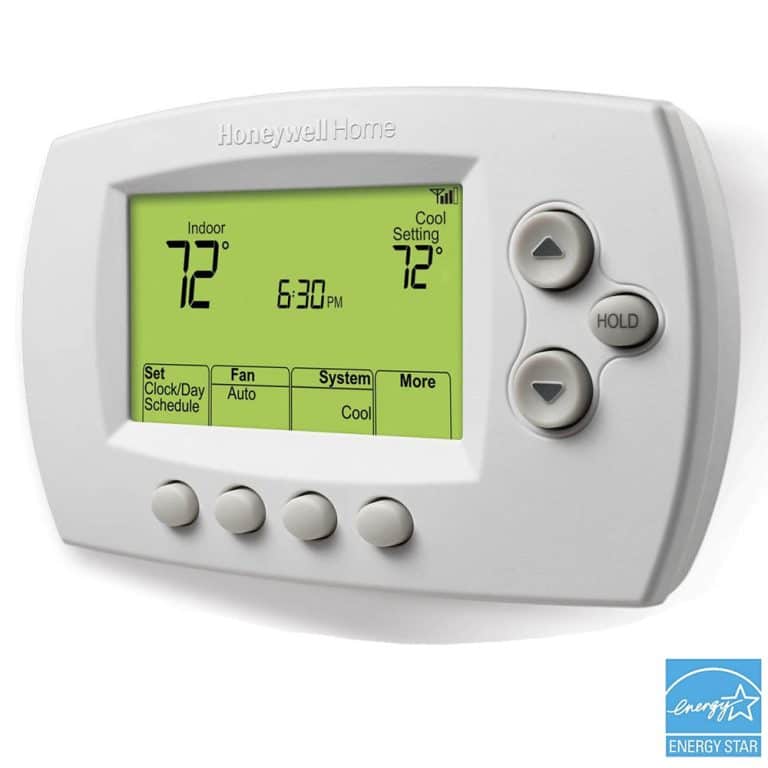
Integrated Controls
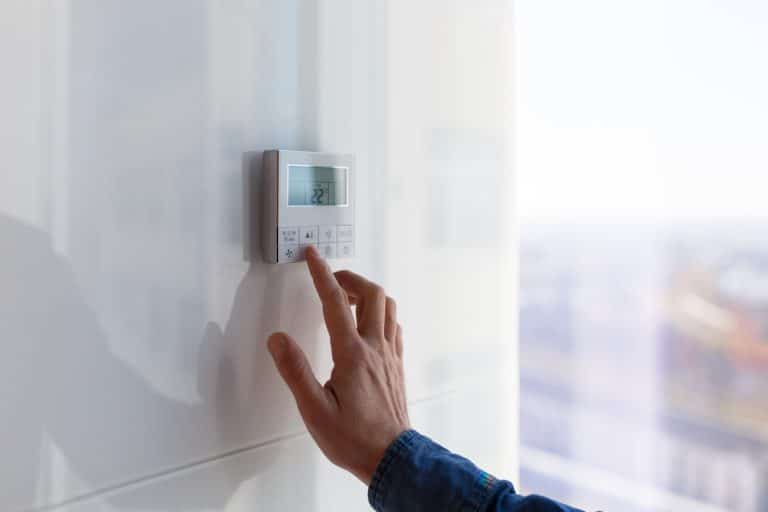
The furnace and heat pump must be controlled as one coordinated heating system.
The controls must determine which heating source operates at different outdoor temperatures. Improperly configured controls can reduce efficiency, increase operating costs and make the installation non-compliant with rebate requirements.
Complete Invoice and Documentation
The invoice should clearly identify:
Installation address
Contractor information
Installation date
Heat-pump manufacturer and model
Furnace manufacturer and model
AHRI reference number
Thermostat or control model
Equipment costs
Labour costs
Rebate deducted from the invoice where applicable
Description of the existing equipment
Description of any equipment removed or modified
Additional documentation may include permits, inspection records, photographs, proof of income, utility-account information and the complete heat-load calculation.
Heat-Load Calculation and Equipment Sizing
A program-approved heat-load calculation is one of the most important requirements for a dual-fuel installation.
The calculation estimates the building’s heating demand based on factors such as:
Conditioned floor area
Local winter design temperature
Insulation levels
Window and door performance
Airtightness
Building orientation
Ventilation
Exposed surfaces
Internal heat gains
Existing ductwork
The contractor uses this information to determine whether the heat pump can meet the required portion of the building’s heating demand at the applicable outdoor temperature.
Rule-of-thumb sizing based only on floor area or the capacity of the existing furnace is not accepted under the CleanBC Energy Savings Program’s dual-fuel requirements.
Switchover Temperature Requirements
The switchover temperature is the outdoor temperature at which the system changes from heat-pump operation to furnace operation.
Current CleanBC requirements generally specify maximum settings of:
5°C or lower for the Lower Mainland and Vancouver Island
2°C or lower for the Southern Interior and Northern British Columbia
The heat pump must be capable of meeting the home’s heating demand at or below the applicable regional setpoint.
The application balance point must therefore be below the programmed switchover temperature. Installing an undersized heat pump and configuring the furnace to take over too early may make the project ineligible.
These settings are program-specific requirements and should not be applied to every dual-fuel design without checking the relevant incentive terms, equipment limitations and local design conditions.
Is an EnerGuide Evaluation Required?
An EnerGuide evaluation is not a universal requirement for every existing-home dual-fuel rebate.
For retrofit programs, the core technical document is generally the program-approved CSA F280 heat-load calculation. The published requirements also focus on equipment eligibility, matched-system certification, contractor registration and control settings.
An EnerGuide evaluation may still be useful when:
The dual-fuel installation is part of a whole-home retrofit
Insulation, windows or airtightness will also be upgraded
The homeowner wants before-and-after energy-performance data
The project is pursuing an EnerGuide-based bonus
The mechanical system needs to be coordinated with broader envelope improvements
For the FortisBC New Home Program, a program-qualified Energy Advisor and energy modelling are required. The Energy Advisor also submits the rebate application on behalf of the project.
Is a Dual-Fuel System Right for Your Home?
A dual-fuel system may be appropriate when a home:
Already has usable central ductwork
Uses natural gas or propane as its primary heating fuel
Is located in a colder climate
Has an existing furnace that can form part of an approved matched system
Needs both heating and cooling
Has sufficient electrical capacity for the heat pump
Qualifies for an applicable regional or income-based incentive
It may be less suitable when:
No active rebate is available at the project location
The existing duct system is undersized or poorly balanced
The heat pump and furnace cannot be certified as a matched combination
The homeowner intends to eliminate fossil-fuel use entirely
The electrical service requires extensive upgrades
The project would benefit more from a complete transition to an all-electric cold-climate heat pump
The financial comparison should include equipment cost, electrical work, furnace work, control integration, expected operating temperatures, utility rates and long-term maintenance.
Building-Envelope Improvements Before Equipment Replacement
Mechanical equipment should not be sized independently from the building envelope.
Air leakage, inadequate insulation, poorly performing windows and disconnected ductwork can increase the design heating load and require larger equipment.
Before finalizing a dual-fuel system, consider whether the project should also address:
Attic and roof insulation
Exterior-wall insulation
Basement or crawlspace insulation
Window and door performance
Air-barrier continuity
Duct sealing
Ventilation
Moisture control
Reducing the building’s heating demand before selecting equipment can improve comfort, reduce cycling and allow the project team to choose a more appropriate heat-pump capacity.
Dual-Fuel Systems in New Construction
For new homes, mechanical-system selection should occur during energy modelling rather than after the architectural design is complete.
The Energy Advisor, mechanical designer, builder and equipment contractor should coordinate:
BC Energy Step Code targets
Design heating and cooling loads
Heat-pump capacity
Furnace capacity
Switchover controls
Duct distribution
Electrical service
Domestic water heating
Ventilation
Commissioning
The FortisBC New Home Program requires eligible dual-fuel mechanical systems to be integrated, modelled and commissioned.
A system that performs well in energy modelling may still underperform if ductwork, control sequences or equipment settings are not verified during installation and commissioning.
Commercial and Multi-Unit Building Considerations
Dual-fuel rooftop units can be appropriate for commercial, industrial and some multi-unit residential applications where an electric heat pump can serve the building during moderate conditions and a gas burner provides heating below the lockout temperature.
Before equipment replacement, the project team should evaluate:
Existing rooftop-unit capacity
Ventilation loads
Envelope heat loss
Operating schedules
Electrical demand
Gas demand
Roof structure
Distribution-system condition
Control integration
Climate-zone settings
Commissioning requirements
For major commercial retrofits, HVAC sizing should be coordinated with energy modelling, envelope diagnostics and Large Building Airtightness Testing where uncontrolled air leakage materially affects the calculated heating load.
Commercial rebates usually have different pre-approval, procurement and documentation rules from residential programs. The owner should confirm eligibility before issuing a purchase order or starting installation.
How to Apply Without Losing Eligibility
1. Confirm That an Active Program Applies
Do not rely on older references to the former FortisBC residential dual-fuel rebate.
Determine whether the project qualifies through:
CleanBC’s northern program
The Energy Savings Program
Pacific Northern Gas
ECAP
The FortisBC New Home Program
An Indigenous community program
A commercial or non-profit program
2. Confirm the Existing Fuel and Utility Providers
Document the home’s:
Electricity provider
Natural-gas or propane provider
Existing primary heating fuel
Existing furnace or boiler
Property location
Building type
3. Register or Obtain Approval Before Installation
The Energy Savings Program requires pre-registration and an eligibility code.
Commercial, community and new-construction programs may also require early registration, modelling, pre-approval or coordination with the program administrator.
4. Complete the Heat-Load Calculation
Do not purchase equipment before the project team confirms:
Design heating load
Heat-pump output at the required outdoor temperature
Balance point
Furnace capacity
Duct-system suitability
Required switchover setting
5. Verify the Matched System
Confirm the exact outdoor unit, indoor coil, furnace and control combination on the applicable qualifying-product list.
Keep a record of the AHRI reference number.
6. Use the Correct Contractor
The contractor must hold the required trade licences and program registration.
A contractor who is qualified to install HVAC equipment may not automatically be registered for every rebate program.
7. Keep Complete Records
Retain:
Eligibility code
Quotes
Contracts
Heat-load calculation
AHRI certificate
Equipment specifications
Paid invoice
Permits
Inspection records
Photographs
Proof of payment
Proof of existing-system modification or removal
8. Submit Before the Deadline
Application periods differ between programs.
Some deadlines are calculated from the invoice date, while new-construction programs may use the building completion date. Confirm the deadline before the project begins.
How Monolith Housing Can Help
At Monolith Housing, our certified Energy Advisors make the rebate process straightforward. We assist homeowners and property managers with:

EnerGuide Home Evaluation
to confirm your current energy performance and ensure your system upgrade meets rebate requirements.

Customized Upgrade Plan
helping you choose an eligible dual fuel system that suits your property’s needs.

Rebate and Loan Applications
managing all submissions for FortisBC, CleanBC, and federal programs.
With our professional guidance, you’ll qualify for every available rebate while ensuring your system is installed to the highest standards.
Why Work with a Certified Energy Advisor?
Most rebate programs require verified energy assessments and professional installation. Working with an EnerGuide-certified Energy Advisor ensures your project meets technical, safety, and efficiency standards while maximizing your financial return.
Monolith Housing provides expert guidance, official documentation, and continuous support for both residential and commercial clients throughout Vancouver and British Columbia.