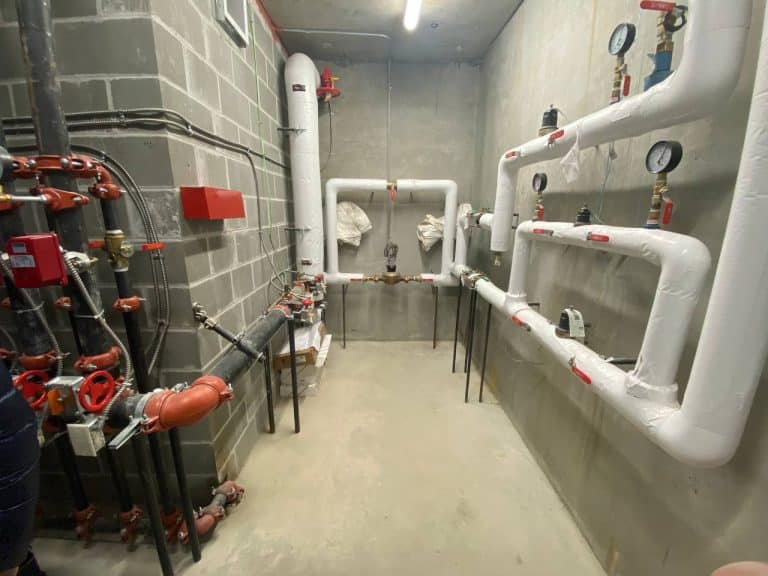
For Vancouver homeowners, builders, and renovation teams, meeting BC Energy Step Code requirements starts with proper planning before construction begins. Monolith Housing Solutions helps review the building envelope, windows, insulation, mechanical systems, ventilation, and airtightness strategy so your project is prepared for better energy performance and smoother compliance.
Our team works with new homes, custom builds, renovations, duplexes, and residential permit projects across Vancouver and the Lower Mainland. We help coordinate energy modelling, Step Code documentation, blower door testing, and practical guidance based on local project requirements.
Aligned with CleanBC goals and available BC Hydro rebate programs, our approach is focused on real results: lower energy waste, better comfort, reduced operating costs, and homes that are ready for future energy standards.


Understanding the BC Energy Step Code
The BC Energy Step Code is a performance-based standard that helps improve how new homes and buildings use energy. Instead of only looking at individual materials, it reviews the building as a complete system, including insulation, windows, airtightness, heating, hot water, and ventilation.
For Vancouver homeowners, builders, and renovation teams, this means energy planning should begin early in the design and permit process. Monolith Housing Solutions helps prepare the energy modelling, documentation, blower door testing, and practical guidance needed to support Step Code compliance and better building performance.
Our goal is to make the process clear and manageable, so your project is designed for comfort, lower energy waste, and long-term efficiency from the start.
Benefits of Embracing the BC Energy Step Code
Improved Comfort
Homes designed to meet BC Energy Step Code requirements are built with better insulation, improved airtightness, efficient ventilation, and stronger overall energy performance. This helps create more consistent indoor temperatures, fewer drafts, and better year-round comfort. For homeowners planning net zero homes, these details are especially important from the early design stage.
Lower Energy Costs
A better-performing home uses less energy for heating, cooling, hot water, and ventilation. With proper energy modelling, HVAC planning, and blower door testing, builders can reduce wasted energy and help homeowners save on utility costs over time.
Lower Environmental Impact
The BC Energy Step Code supports the move toward more efficient, lower-carbon buildings across British Columbia. For Vancouver projects, this means planning the building envelope, mechanical systems, ventilation, and airtightness strategy in a way that supports both code compliance and long-term energy performance.
The Step Code pathway helps guide new construction toward net-zero-ready performance by focusing on how the whole building works together, not just one material or system. Monolith Housing Solutions helps builders and homeowners understand these requirements and prepare the right documentation before construction begins.


Work With a Vancouver Energy Advisor Before You Build
BC Energy Step Code compliance is easier when the right details are reviewed early. Monolith Housing Solutions helps builders, homeowners, and design teams understand what is needed before permit submission, during construction, and before final verification.
Our team can support energy modelling, Step Code documentation, airtightness planning, blower door testing, HVAC coordination, and practical guidance for new homes, custom builds, duplexes, multiplex projects, and renovations across Vancouver and the Lower Mainland.
If you are preparing a project and want a clearer path to compliance, our Energy Advisor team can help you plan the next step with confidence.
Current BC Energy Step Code and Zero Carbon Requirements
The BC Energy Step Code is now a key part of new construction planning across British Columbia. Since the 2023 code update, most new buildings in BC have been required to meet a higher level of energy performance compared to the 2018 BC Building Code. This update is part of the Province’s long-term path toward net-zero energy-ready buildings by 2032.
The Zero Carbon Step Code also supports this shift by focusing on operational greenhouse gas emissions from new buildings. While the Energy Step Code looks at how efficiently a building uses energy, the Zero Carbon Step Code looks at the emissions connected to systems such as space heating and domestic hot water.
For Vancouver projects, builders also need to consider the Vancouver Building By-law and local energy requirements. This is why it is important to confirm the right compliance path before the permit package is submitted. The project type, permit date, building design, mechanical system, ventilation strategy, and airtightness target can all affect what documentation is required.
Monolith Housing Solutions helps builders, homeowners, and design teams prepare the energy side of the project properly from the beginning. Our team supports energy modelling, Step Code documentation, blower door testing, HVAC coordination, airtightness planning, and final compliance review for residential projects across Vancouver and the Lower Mainland.
- Energy modelling for new homes, duplexes, multiplex projects, and renovations
- Step Code documentation for permit submission
- Review of insulation, windows, doors, and building envelope details
- Heating, cooling, hot water, and ventilation coordination
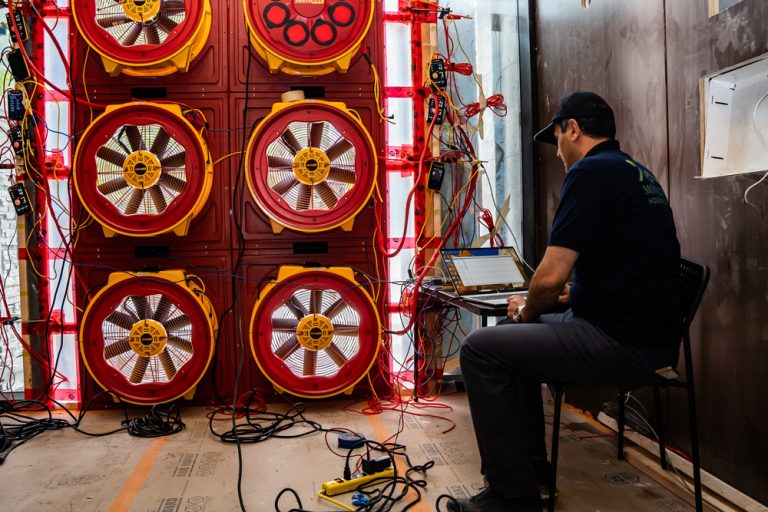
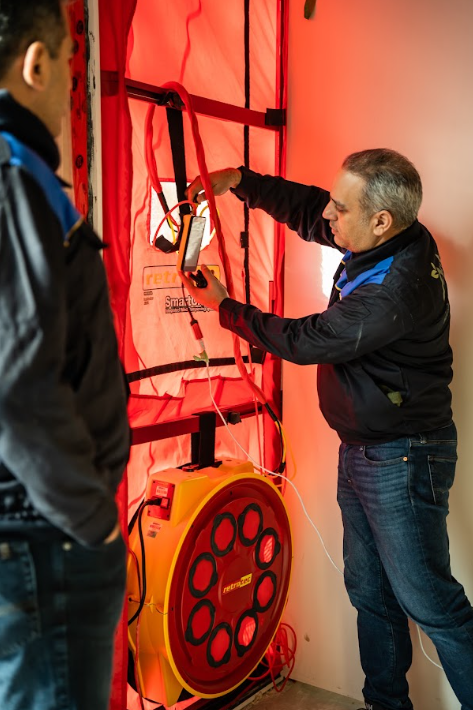
- Airtightness planning and blower door testing
- Final verification and as-built energy documentation
What We Prepare for Your BC Energy Step Code File
Every project needs clear energy documentation before it moves through permit review and construction. Monolith Housing Solutions helps builders and homeowners prepare the key details required for Step Code compliance, including the energy model, envelope information, mechanical assumptions, airtightness planning, and final verification documents.
- Permit-stage energy modelling
- Step Code documentation and checklist support
- Review of insulation, windows, doors, and envelope assemblies
- Heating, cooling, hot water, and HRV coordination
- Mid-construction blower door testing support
- Final airtightness testing and as-built documentation
Our Related Services
Let's Build Together
Your Next Project Starts Here!